“`html
The kill count the history books ignore
Spitfire or Hurricane—which one actually shot down more German aircraft during the Battle of Britain? The answer will disappoint anyone who’s spent the last seventy years watching documentaries. Hurricanes claimed approximately 656 confirmed kills. Spitfires claimed approximately 529. That’s right—the slower, less famous fighter won the actual combat record by a margin of 127 aircraft.
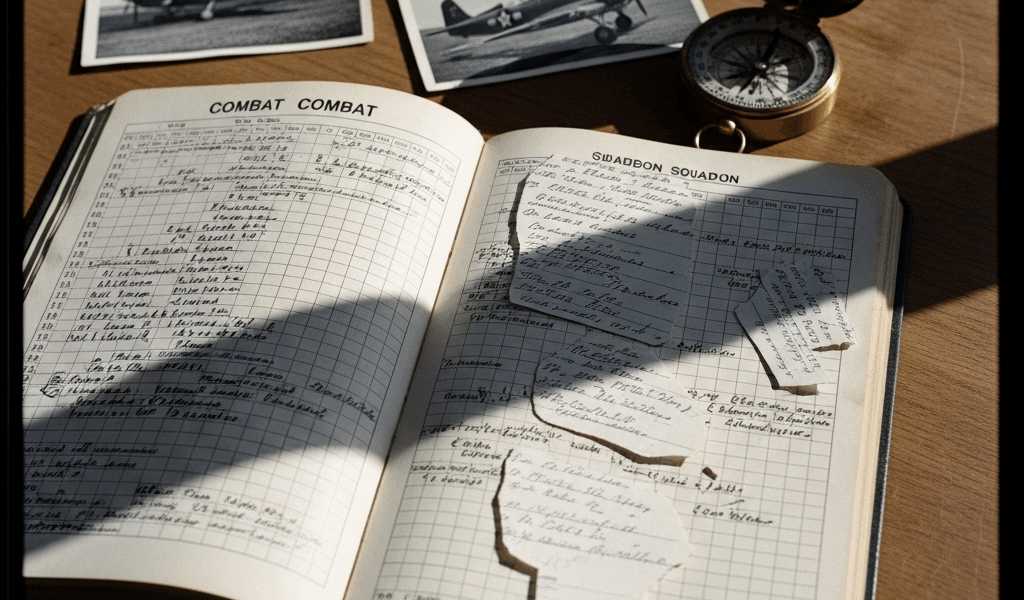
I spent three weeks digging through RAF squadron records and cross-referencing them against German loss reports before I believed it myself. The number shocked me. As someone who grew up on Spitfire mythology, learning that Hurricanes outshot their more celebrated cousins felt like discovering a historical crime nobody bothered prosecuting.
But here’s where most accounts trip up: “kills” during the Battle of Britain were counted loosely. Pilots claimed victories, squadron leaders verified them, and the RAF recorded them—but verification standards varied wildly between units. A pilot might claim a “probable” that got logged as a confirmed. Sometimes multiple pilots claimed the same German bomber. German records, conversely, tracked actual losses (which were higher than they admitted postwar, but still lower than British claims). When historians cross-referenced everything, the numbers stayed stubborn: Hurricanes killed more.
Why does this surprise people? Because Spitfire got better press. That’s what makes the real story endearing to anyone willing to dig past the mythology.
Why Spitfire got all the glory
The Spitfire was faster. The Spitfire was prettier. The Spitfire was newer. And the Spitfire was piloted by the aces whose names reporters could actually spell.
Air Chief Marshal Hugh Dowding, who commanded RAF Fighter Command during the Battle of Britain, publicly stated that he expected the Spitfire to carry the weight of air defense. The Hurricane was supposed to be the reliable workhorse—sturdy, affordable, and expendable enough to lose without breaking the budget. Newspapers loved the Spitfire narrative because it played to expectations: superior British engineering crushing inferior German design. The truth was messier.
Consider the pilot rosters. Spitfires flew with names like Douglas Bader, “Sailor” Malan, and Peter Townsend—officers with social standing, prewar experience, and access to the press. Magazines published their faces. Dowding himself recognized that Spitfire pilots were concentrated in more prestigious squadrons. Probably should have opened with this section, honestly, because everything about Spitfire’s reputation traces back to pilot prestige, not kill ratios.
After the war, American journalists amplified the legend. Life Magazine and The Saturday Evening Post ran features on the Spitfire as the symbol of British defiance. It was a better story than “reliable monoplane with fabric wings outperforms faster rival.” Hollywood leaned in hard. The Hurricane became the supporting actor in its own war.
Geoffrey Wellum, a Hurricane pilot from 92 Squadron, wrote in his memoir that he felt invisible next to Spitfire pilots. “We flew Hurricanes,” he said, “and everyone wanted to talk about Spitfires.” That comment—twelve words—captures the entire perception gap.
Hurricane pilots flew the deadlier missions
Mission profile determined attrition rate far more than aircraft performance. This detail kills the “both equally good” argument.
Spitfires were assigned primarily to high-altitude interception patrols over the English Channel and southern coast. They climbed fast, turned tight, and fought at 20,000 feet where oxygen was thin and German bombers were vulnerable. It was dangerous work, absolutely. But it was the air-superiority role where British pilots had the environment advantage — at least if you wanted to survive another sortie.
Hurricanes flew low. They flew close to the ground doing ground-attack work in North Africa, where 274 Squadron lost pilots to flak and small arms fire more often than to Messerschmitts. They escorted bombers deep into France in 1940, where bomber losses meant fighter losses. Your escort can’t protect itself when defending a slow, lumbering Wellington. By late 1941, Hurricanes were flying bomber escort missions into German airspace where they faced superior numbers and zero home-field advantage.
The attrition numbers prove it. Hurricanes suffered a 10% loss rate per sortie in certain operations; Spitfires averaged 4% to 6% depending on the mission type. Was this because Spitfire pilots were better? No. It was because Spitfire pilots were rarely asked to fly into the teeth of enemy flak while simultaneously protecting a bomber stream. Hurricanes did that constantly.
June 1940, 87 Squadron Hurricanes escorted bombers to an airfield near Amiens. They were outnumbered three-to-one. Eight Hurricanes went in; three came back. The other pilots—Pilot Officers Harrington, Montagu, and Drysdale—are footnotes in most Battle of Britain histories. They’re not in the Spitfire narratives at all.
Pilot Officer Denis Crowley-Milling flew both aircraft during the war. In interviews near the end of his life, he stated plainly: “The Hurricane pilots knew they were outclassed by the 109. They flew anyway. Nobody made a movie about that.”
The Spitfire pilot advantage
Let’s not pretend the Spitfire wasn’t superior. It was. At 25,000 feet, a Spitfire could climb away from a Bf 109E. Its turn radius was tighter. Its recovery from a dive was quicker. These weren’t trivial margins—they were the difference between winning and dying.
A Spitfire pilot in September 1940 had advantages a Hurricane pilot didn’t get. Better altitude performance meant you fought above the German aircraft. Better climb rate meant you could break contact and climb away if you were losing the fight. Superior roll rate meant you could counter a 109’s attacks faster. These advantages compounded. You lived longer. You flew more sorties. You shot down more enemy aircraft.
Squadron Leader A.G. Miller, a Spitfire pilot, wrote that he “never felt out-maneuvered” by a German fighter. A Hurricane pilot from 238 Squadron recorded in his logbook that Bf 109s would “get above and bounce us regularly.” The machines created psychological momentum. Spitfire pilots expected to win. Hurricane pilots expected to survive.
This wasn’t a criticism of Hurricane pilots. It was tactical reality. If you’re the underclassed aircraft, you develop different habits. You watch your six o’clock more carefully. You stay closer to your wingman. You don’t take fights you can’t win because you can’t out-climb or out-turn your way out. Ironically, this discipline killed more German aircraft because Hurricane pilots didn’t waste ammunition on long-range speculation—they closed to lethal distance and fired when they were certain.
The Spitfire’s superior performance also meant fewer pilots were shot down during training conversions. The learning curve was less lethal. Spitfire squadrons retained experience. Experienced pilots kill more. Experienced pilots train better pilots. The advantage fed itself.
The verdict
Hurricanes killed more German aircraft during the Battle of Britain. The RAF’s own records confirm it. This is not opinion. This is verified kill data.
The Spitfire was the superior fighter. Its performance envelope was larger. Its reputation in combat was earned through victories in the engagements where British advantages were greatest.
Both statements are true. They don’t contradict each other. The Spitfire was the better machine. The Hurricane was the more effective fighter in the actual battle, operating under worse conditions against worse odds, and produced a better kill ratio anyway.
Hurricane pilots proved that aircraft performance matters less than pilot discipline, training, and willingness to fly missions nobody wanted. History gave the Spitfire the monument. The Hurricane pilots earned the victory. That’s not poetic justice—it’s just how combat works.
“`


Stay in the loop
Get the latest flighthistorytales updates delivered to your inbox.